


Position: Home > Wall Backdraft Damper
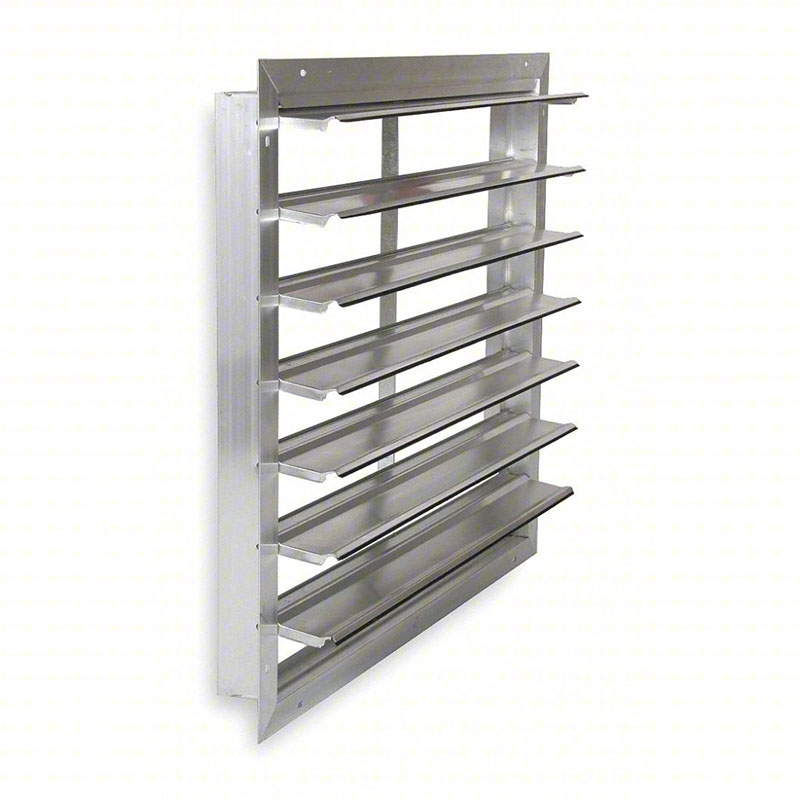
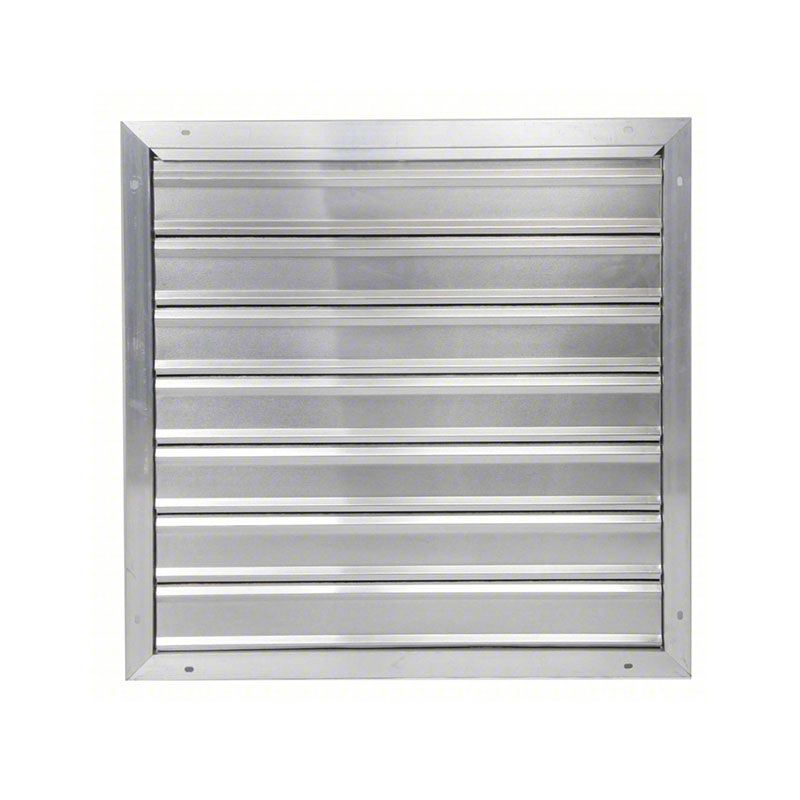
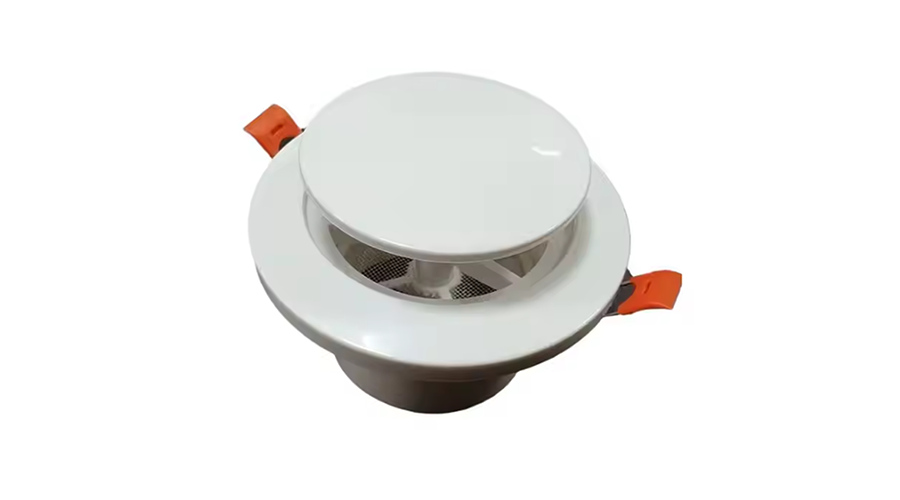 Spring Snap Air Vent
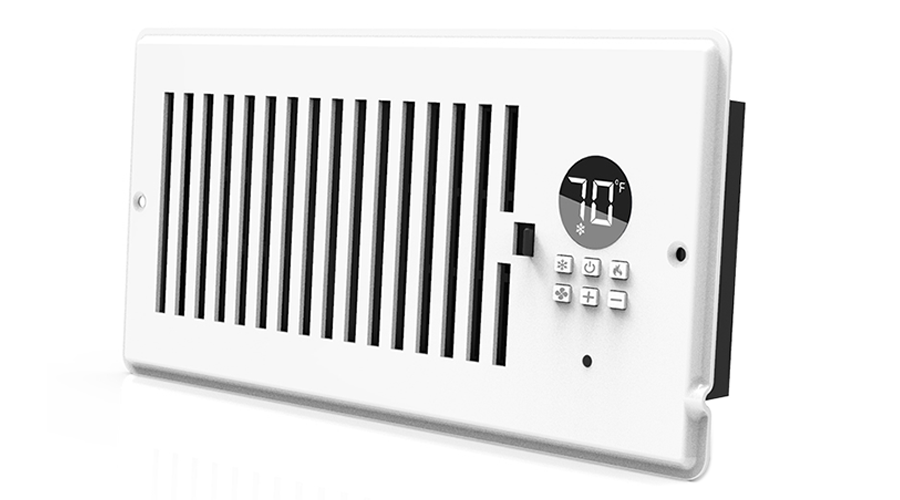 Register Booster Fan 4'' x 10'' with Damper and Thermostat 10 Speed Control AC Vent for Heating and Cooling
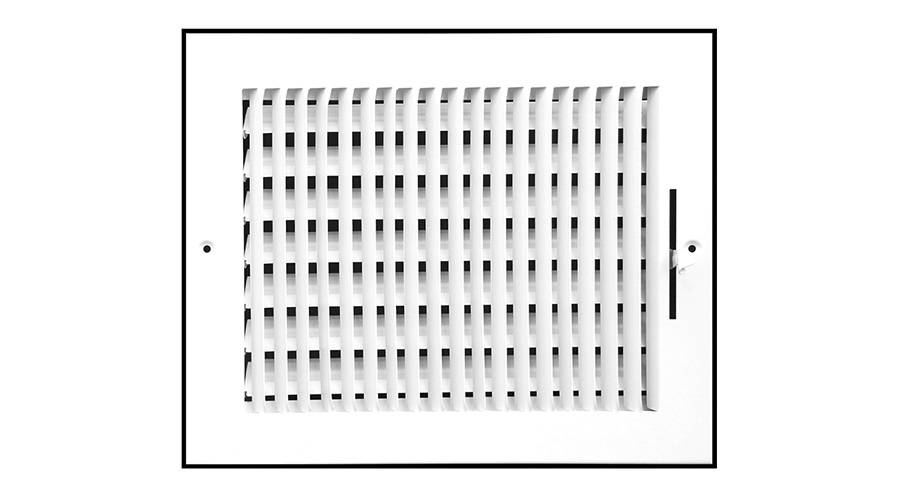 1 Way Air Register Stamped Face Steel Air Supply Register for Ceiling and Sidewall
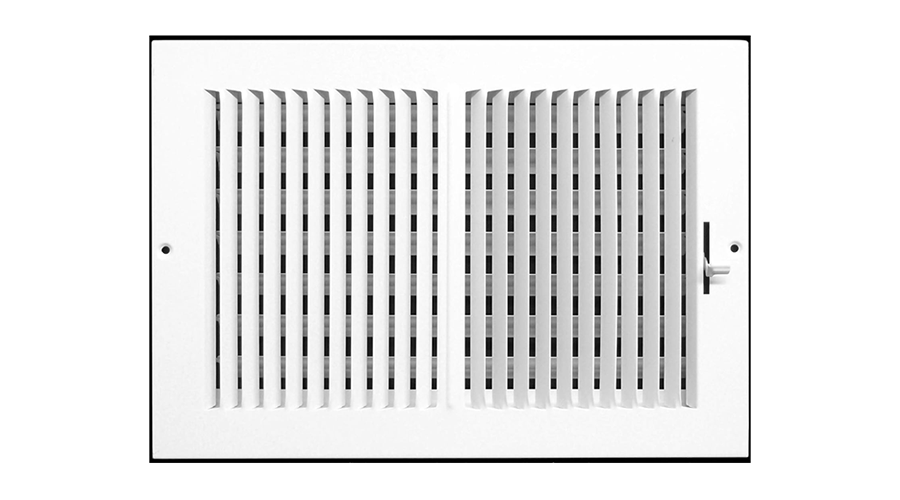 2 Way Air Register Stamped Face Steel Air Supply Register for Ceiling and Sidewall
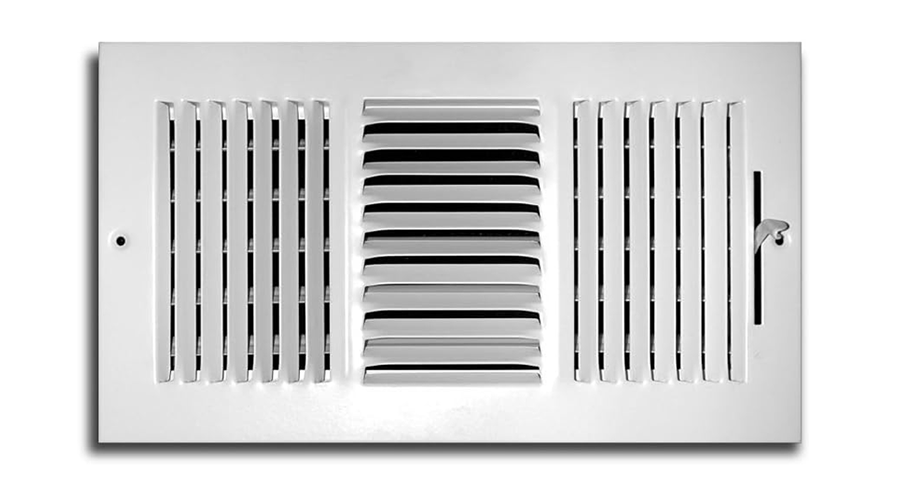 3 Way Air Register Stamped Face Steel Air Supply Register for Ceiling and Sidewall
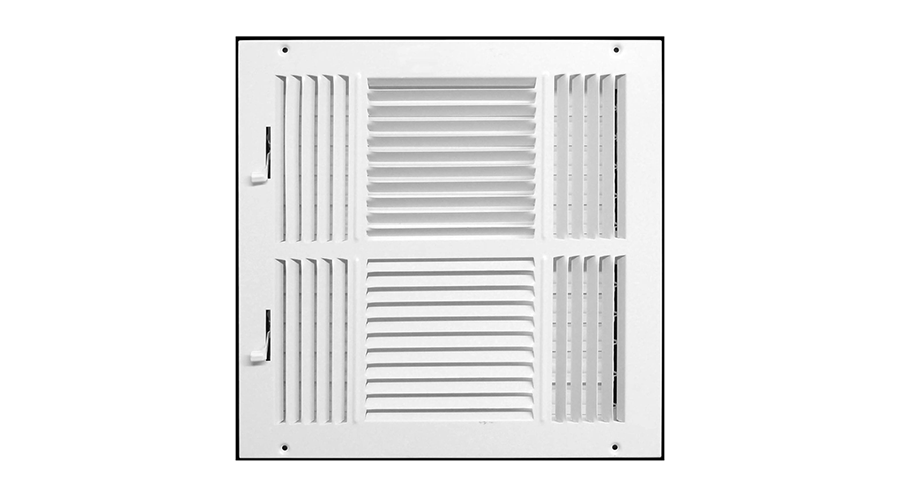 4 Way Air Register Stamped Face Steel Air Supply Register for Ceiling and Sidewall
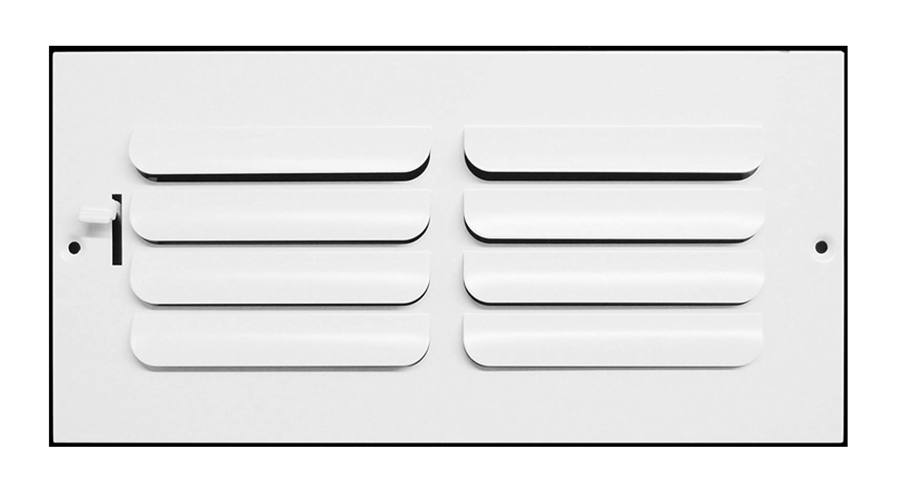 1 Way Fixed Curved Blade Air Register Stamped Face Steel Air Supply Register for Ceiling and Sidewall
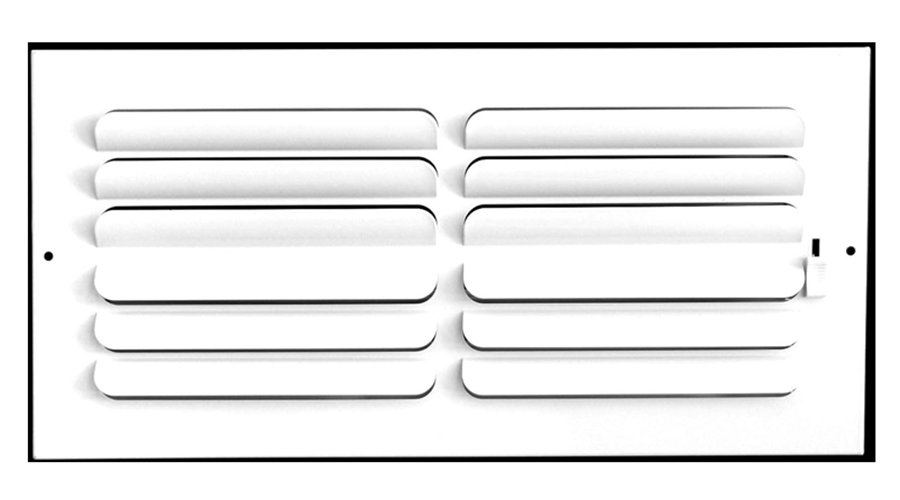 2 Way Fixed Curved Blade Air Register Stamped Face Steel Air Supply Register for Ceiling and Sidewall